

 English




























































Police Support Peaceful Protestors to Protect Public Safety and Rights

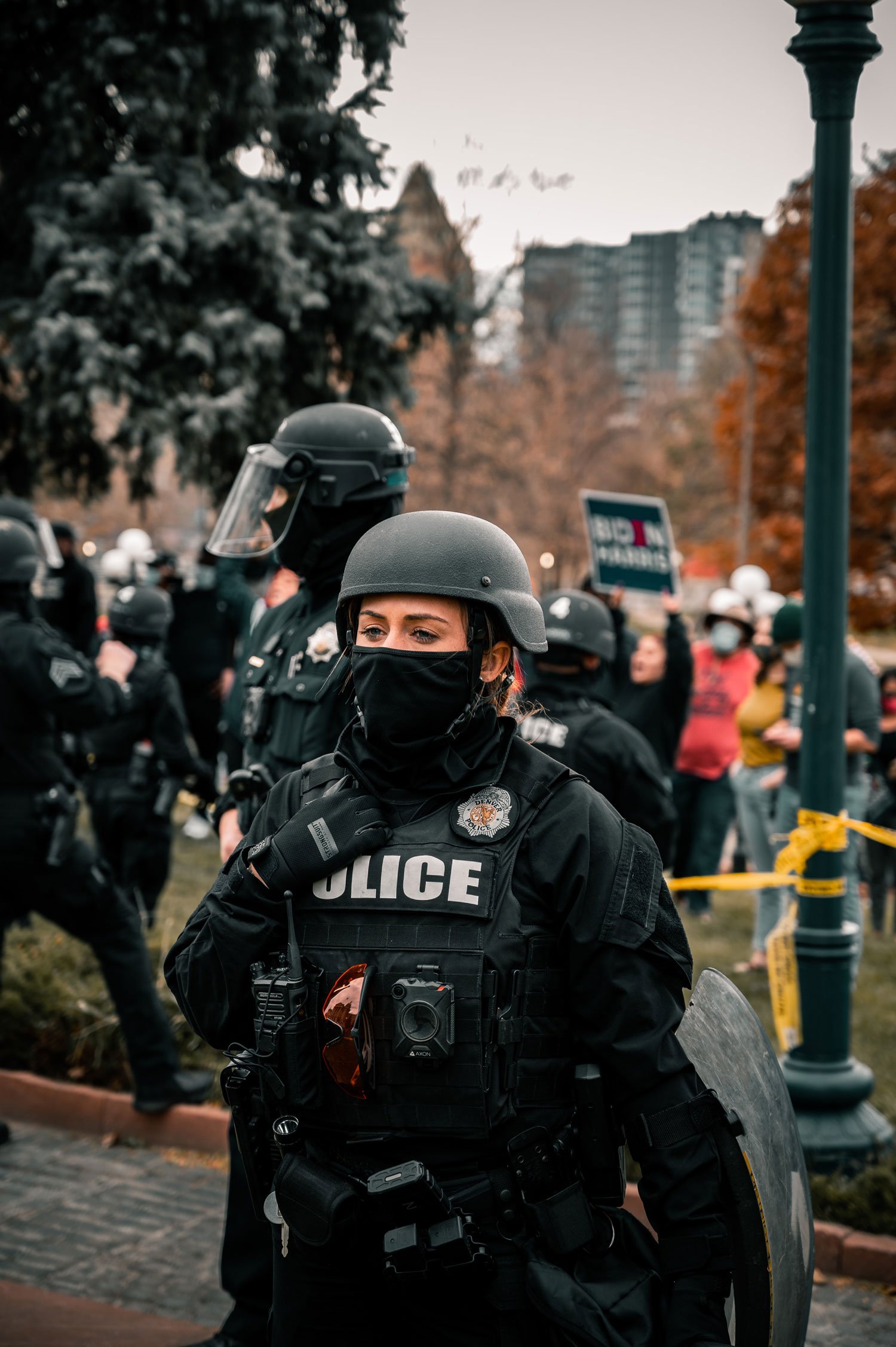
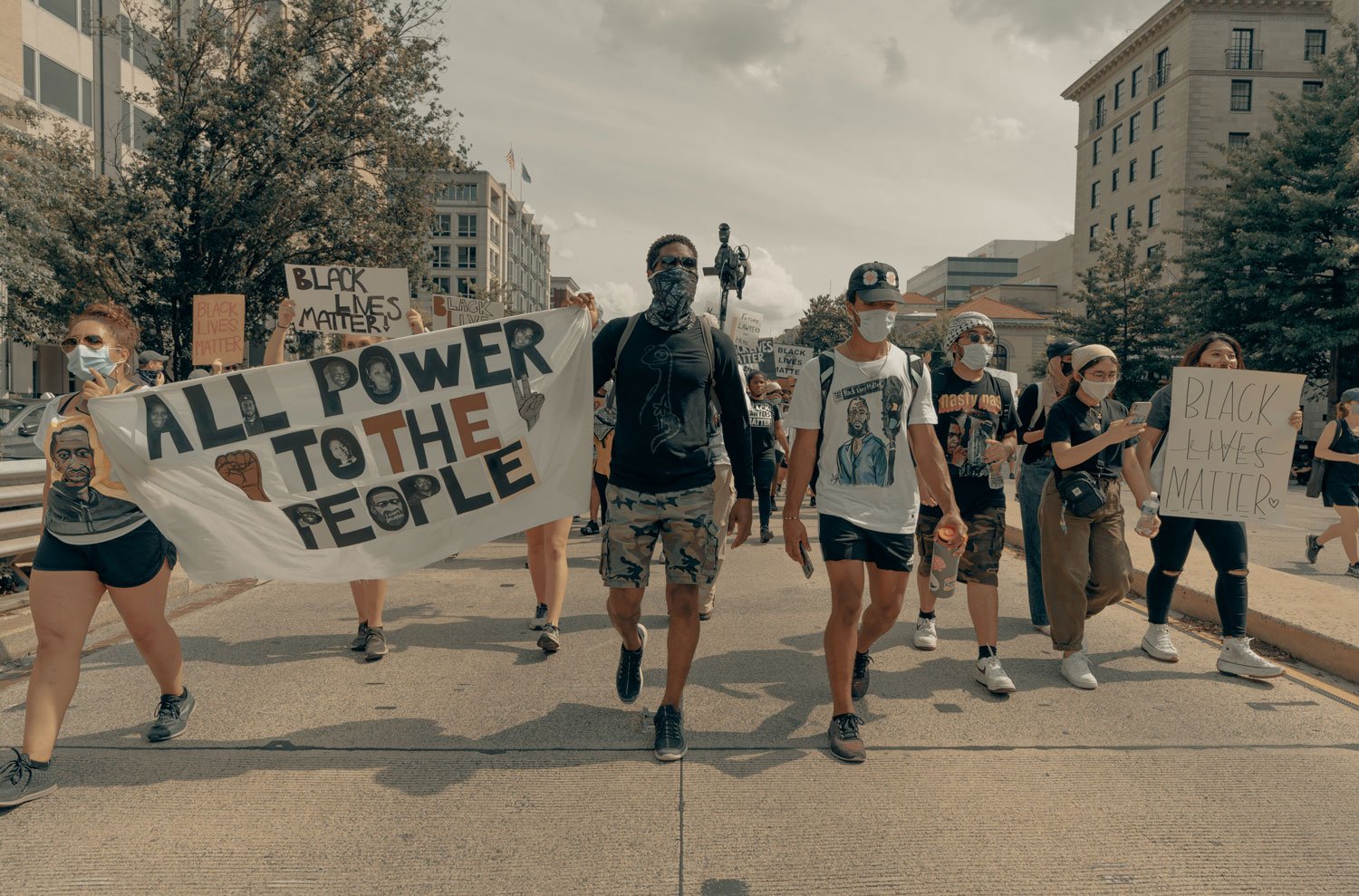
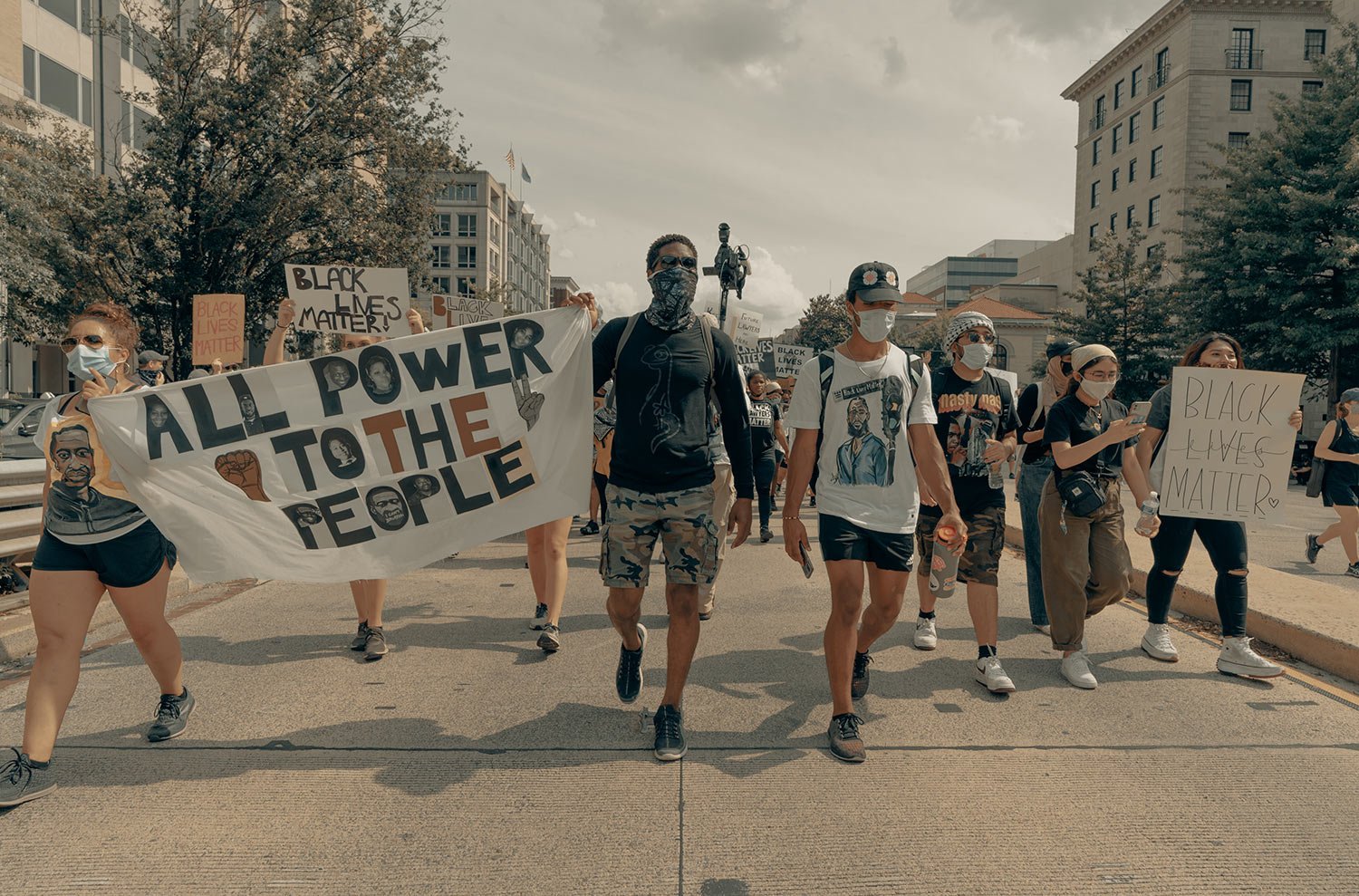
Across many cities, police departments have emphasized their support for peaceful protestors, highlighting the importance of lawful demonstrations and the protection of constitutional rights. Peaceful protests play a vital role in democratic societies, allowing citizens to express concerns, demand accountability, and call for positive change. Law enforcement agencies have increasingly recognized that cooperation, communication, and mutual respect are key to maintaining public safety during such events.
Police officials have stated that their primary responsibility during protests is to ensure the safety of all participants, nearby residents, and property. By supporting peaceful protestors, police aim to create an environment where individuals can voice their opinions without fear, while preventing violence, vandalism, or disruptions that could put lives at risk. This approach focuses on balancing public order with the fundamental right to free expression.
One of the most important aspects of police support for peaceful protests is clear communication. Prior to demonstrations, law enforcement often works with organizers to understand routes, crowd sizes, and safety needs. This coordination helps prevent misunderstandings and allows police to deploy resources effectively. When protestors and police share information, it reduces tension and builds trust, making it easier to manage large gatherings.
Police departments have also invested in specialized training to handle peaceful demonstrations. Officers are trained in crowd management, de-escalation techniques, and community engagement. These skills help officers respond calmly, avoid unnecessary force, and address potential issues before they escalate. By prioritizing de-escalation, police demonstrate respect for protestors and reinforce their commitment to peaceful outcomes.
Supporting peaceful protestors also means clearly distinguishing between lawful demonstrators and individuals who may attempt to cause harm. Police leaders often stress that violence or property damage does not represent the goals of peaceful movements. By isolating unlawful behavior and protecting peaceful participants, law enforcement helps preserve the integrity of demonstrations and ensures that legitimate voices are heard.
Community leaders and civil rights groups have welcomed efforts by police to support peaceful protests. Many argue that respectful policing strengthens democracy and improves long-term relationships between communities and law enforcement. When protestors feel protected rather than threatened, they are more likely to cooperate with authorities and follow safety guidelines. This mutual respect benefits everyone involved.
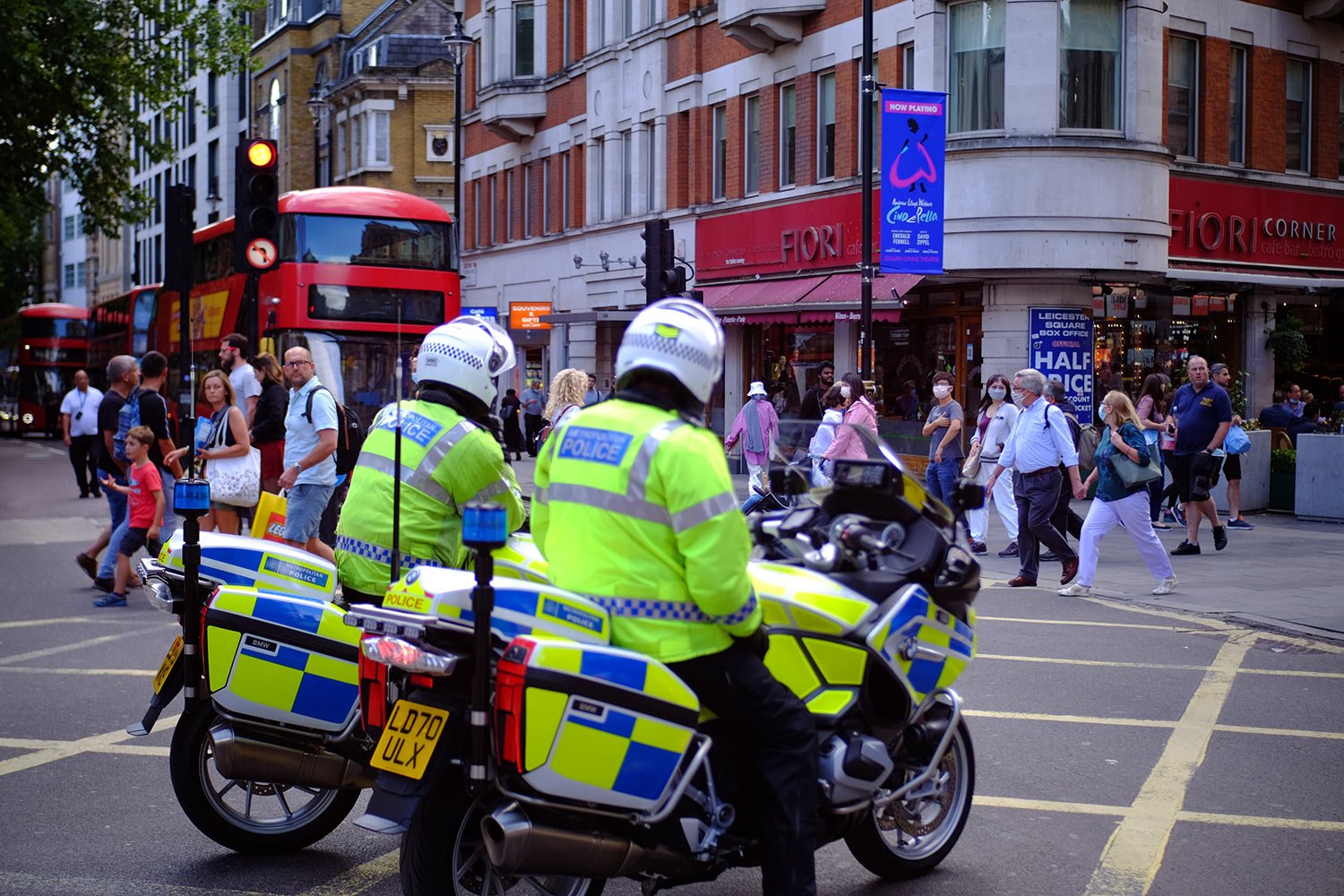
Public safety remains a central concern during large demonstrations. Police support includes managing traffic, providing emergency access, and ensuring that protests do not block critical services. These measures help minimize disruptions while allowing demonstrations to continue safely. In many cases, police presence is designed to be visible but non-confrontational, signaling readiness to assist rather than intimidate.
In recent years, technology has also played a role in supporting peaceful protests. Real-time updates, public safety alerts, and social media communication allow police to share information quickly with protestors and the wider community. This transparency helps reduce rumors and confusion, contributing to calmer and safer events.
In conclusion, police support for peaceful protestors reflects a commitment to public safety, lawful demonstrations, and democratic values. Through communication, training, and cooperation, law enforcement agencies aim to protect the rights of protestors while maintaining order. When police and communities work together, peaceful protests can serve as a powerful and constructive force for change.
Police support for peaceful protestors begins with recognizing the right to freedom of expression and assembly. Law enforcement agencies acknowledge that citizens have the legal right to protest peacefully without fear of intimidation or unnecessary interference. By supporting these rights, police help maintain trust and encourage open dialogue between the public and authorities.
One of the key responsibilities of police during protests is ensuring public safety. Large gatherings can present logistical challenges, including traffic control, emergency access, and crowd management. Police work to create a secure environment where protestors can demonstrate safely while minimizing risks to bystanders, local businesses, and public property. This balanced approach allows protests to continue without escalating into disorder.